
To be a great Royal Caribbean travel agent, you need to do more than just click “book.” You have to understand what goes on behind the scenes. That’s where you can earn the most—or lose out.
Most guides leave out some important details. For example, on a $5,000 cruise, your commission might be based on a much lower amount. If your client gets a casino “free cruise,” you could lose your earnings. But sending a simple text before your client sails can help make sure you get their next booking.
I’ll explain everything you need to know, including the tools, training, real money math, ships, groups, and the important changes coming in 2026 and 2027. Grab a coffee and let’s get started!
What a Royal Caribbean Travel Agent Actually Does
A Royal Caribbean travel agent helps clients choose the best ship, cabin, and fare, and makes sure their booking is secure right up to departure.
That means you:
- Help clients who say “we want an amazing cruise” find the ship and cabin that fit them best.
- Explain deposits, deadlines, and cancellation rules in simple, clear language.
- Keep an eye out for price drops and better promotions.
- Arrange hotels, transfers, and travel protection for your clients.
- Spot issues early so your clients avoid unnecessary costs.
Your real value isn’t just having access to a booking system. It’s about asking the right questions to prevent costly mistakes.
Why Royal Caribbean Is the Best First Line to Learn
If you focus on learning just one cruise line this year, choose Royal Caribbean.
Families already recognize the name. First-time cruisers trust it. The ships are easy to recommend, with water slides, surf simulators, Broadway-style shows, and a private island with turquoise water.
Best fit for:
- Families with kids or teens
- First-time cruisers testing a 3- or 4-night trip
- Friend groups and celebrations
- Multigenerational trips
Royal Caribbean isn’t ideal for quiet-luxury travelers or clients looking for adults-only relaxation. Be upfront about this—honesty is what brings clients back.
How to Become a Royal Caribbean Travel Agent
Step 1: Pick Your Agency Setup
Most new agents begin with a host agency. Before you commit, ask these questions:
- How do I get Royal Caribbean booking access?
- What’s my commission split?
- Who helps me when a booking goes wrong?
- Do I keep my clients if I leave?
- Can I book into your group space?
Make sure you get these answers in writing. Also, check your state’s seller-of-travel rules. Remember, supplier training does not license your business.
Step 2: Register on CruisingPower
CruisingPower is the trade portal for Royal Caribbean, Celebrity, and Silversea. You can register using your own CLIA, IATA, or TRUE number, or your host agency’s number.
Step 3: Take Royal Caribbean University
RCU is free and available within CruisingPower. Here’s how to find it:
- Log in to CruisingPower
- Click Training & Benefits
- Click Training & Certification
- Select Royal Caribbean International
There are two levels: Bachelor of Adventure and Master of Adventure, plus a short Campus Tour to get started. Expect to spend about one evening on the Bachelor’s and another on the Master’s. Your progress will be saved as you work through the courses.
Do you need to finish RCU before making bookings? Technically, you don’t. However, if you skip it, you’ll miss out on perks, confidence, and credibility.

Royal Caribbean Travel Agent Tools: Your Daily Toolkit
CruisingPower (Your Front Lobby)
This is where you find group policies, training, flyers, offers and reference guides.
Espresso (Your Booking Engine)
Here, you can price sailings, hold cabins, take payments, and manage groups. Espresso now allows you to move individual bookings into group space on your own, without needing to call. This saves you a lot of time.
Loyal To You Always (Your Marketing Hub)
This is Royal Caribbean’s trade site for promotions, webcasts, and customizable marketing materials. Some programs require a valid ARC, IATAN, TRUE, or CLIA number.
I would price out five practice sailings before quoting your first real client. This will help you learn the cabin categories quickly and sound more confident on your first call.

How Royal Caribbean Travel Agent Commission Really Works
This is the question people search for most, but it’s also the one that causes the most confusion.
The Three Buckets on Every Invoice
- Commissionable cruise fare is the part of the booking that earns you commission.
- Non-commissionable fare (NCF) is the portion of the fare that does not earn you any commission.
- Taxes, fees, and port expenses also do not earn you any commission.
The Typical Range
Most host-agency guides say Royal Caribbean commissions start at 10% and can go up to about 16% as your sales increase. Royal Caribbean does not share a public rate card. Your actual rate depends on your agency’s agreement, and your host’s split will apply after that.
The Number Nobody Talks About
According to ASTA’s 2026 industry brief, after NCFs are removed, the actual cruise commission is usually between 6.5% and 8.5%. So, the “10%” commission is often closer to 7% of what your client actually pays.
Keep an eye out because Norwegian Cruise Line will stop using NCFs for sailings starting in May 2026. It’s worth watching to see if other cruise lines do the same.
For example, if a family books a $4,000 cruise, you subtract $500 for NCF and $400 for taxes and port fees. That leaves $3,100 that is commissionable. At a 10% rate, your agency would earn $310 before your split.
What Usually Pays Nothing
- Drink packages and most Cruise Planner add-ons
- Prepaid gratuities
- Royal Caribbean Hotels (the line’s own hotel booking tool)
- Casino comp cruises (more on this below)
When You Get Paid
You usually get paid your cruise commission after your client has sailed. For example, if someone books in January for a December cruise, you’ll receive your commission in December. Keep this in mind when planning your cash flow.
Match the Ship to the Client
Your credibility can take a hit if you book a quiet retired couple on a 7,000-guest mega-ship during spring break.
Icon Class: The Floating Theme Parks
Ships: Icon of the Seas, Star of the Seas, and Legend of the Seas. Legend started sailing in July 2026 and will be in Fort Lauderdale from November 2026 to May 2027. Hero of the Seas is set to launch from Miami in 2027 and is ahead of schedule.
Book these ships for families who love big adventures and theme parks. They feature the Category 6 waterpark and Surfside, a space designed for young kids.
Oasis Class: Variety and Group Magic
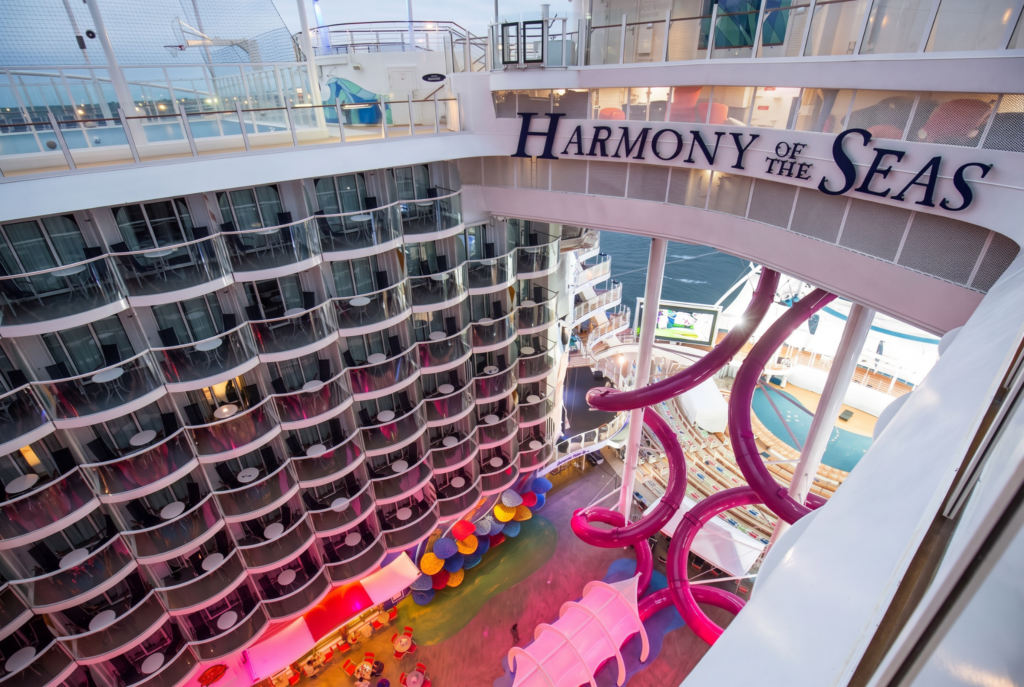
Ships: Oasis, Allure, Harmony, Symphony, Wonder, and Utopia. A seventh ship will join the fleet in 2028.
These ships are great for first-time cruisers and groups. Central Park, the Boardwalk, and the AquaTheater offer something for everyone.
Quantum Class: Built for Cooler Weather
Ships: Quantum, Anthem, Ovation, Spectrum, and Odyssey.
Book these ships for Alaska and other cooler destinations. Indoor attractions like SeaPlex and the North Star capsule are perfect when the weather is cold.
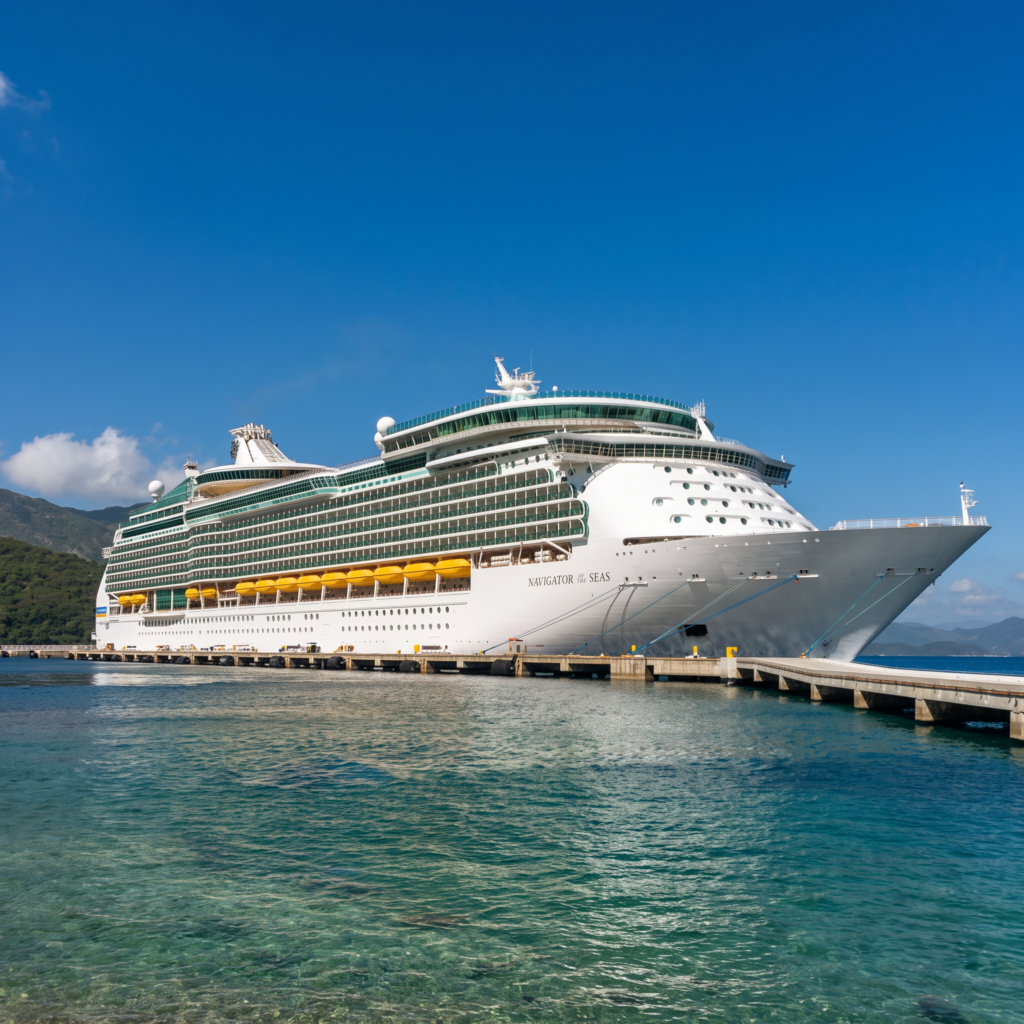
Freedom, Voyager, Radiance and Vision: The Value Picks
These ships are ideal for families on a budget, people who want to drive to the port, or those who prefer itineraries with lots of stops. Many offer FlowRider surf simulators and ice rinks.
Coming Soon: Discovery Class
Two new ships are planned for 2029 and 2032, each with room for about 4,300 guests. Royal Caribbean plans to focus these ships on Asia, Alaska, and Europe. Let your repeat cruisers know about these upcoming options.
Always double-check each feature for the specific ship. Don’t promise attractions just because you saw them in a fleet-wide ad.

What’s Included (and What Isn’t)
Let your clients know these details ahead of time so they won’t be caught off guard.
Usually included:
- The stateroom and daily housekeeping
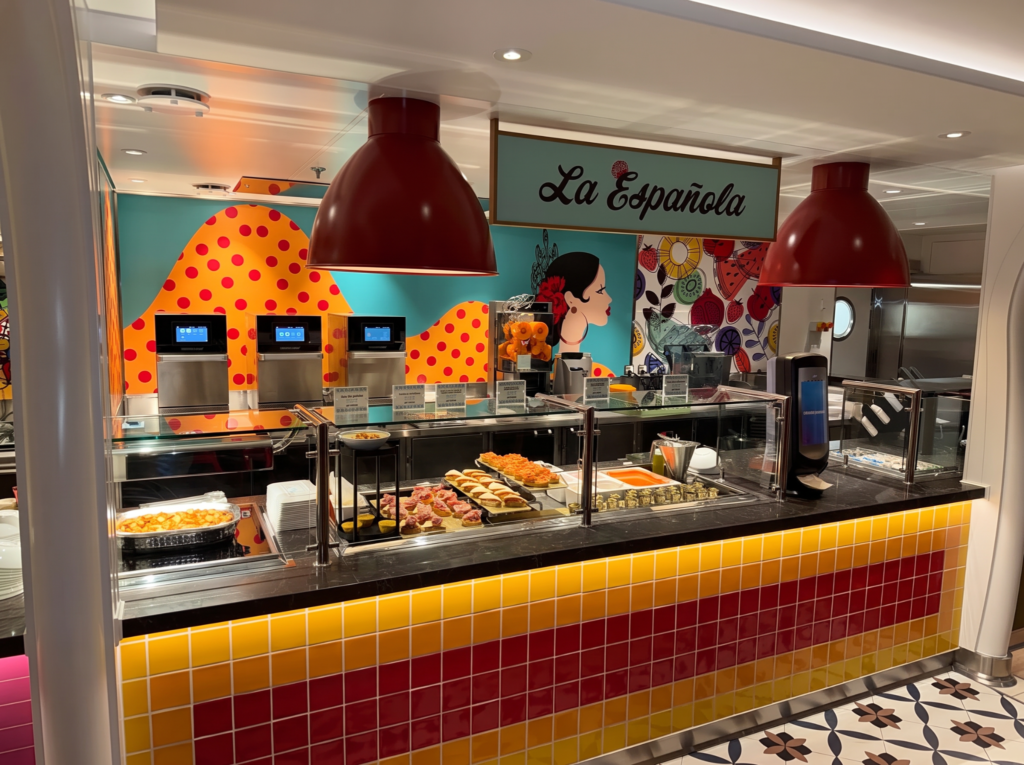
- Main Dining Room, Windjammer buffet and casual spots
- Water, tea, coffee, lemonade and select juices
- Broadway-style shows and live music
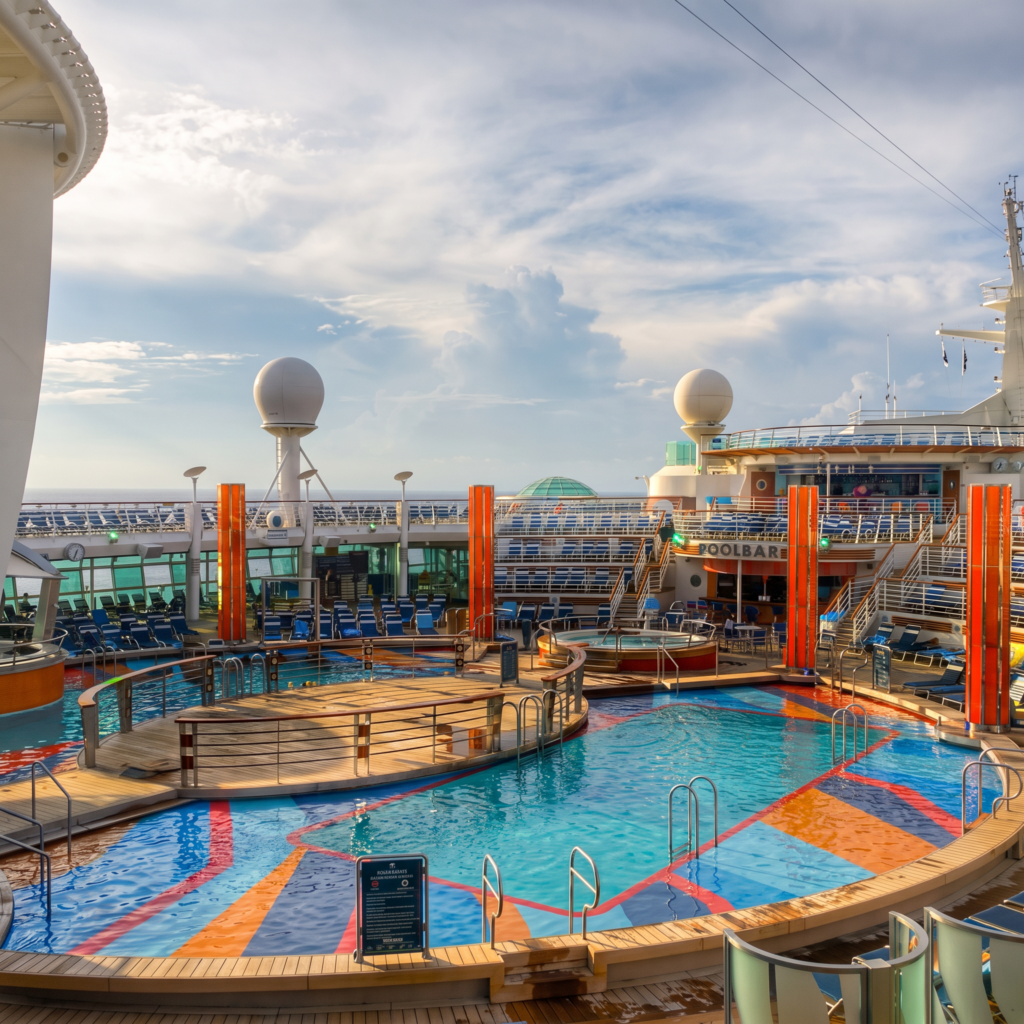
- Pools, slides, FlowRider and rock walls
- Adventure Ocean for kids ages 3 to 12
Usually extra:
- Specialty dining
- Drink packages and sodas
- Wi-Fi
- Spa services
- Shore excursions
- Gratuities
Suite tip: Star Class suites include specialty dining, drinks, gratuities, Wi-Fi, and a Royal Genie. Sea and Sky Class offer fewer perks, so double-check what’s included in each tier before making promises.

Private Destinations: What’s Free and What Costs Extra
Perfect Day at CocoCay
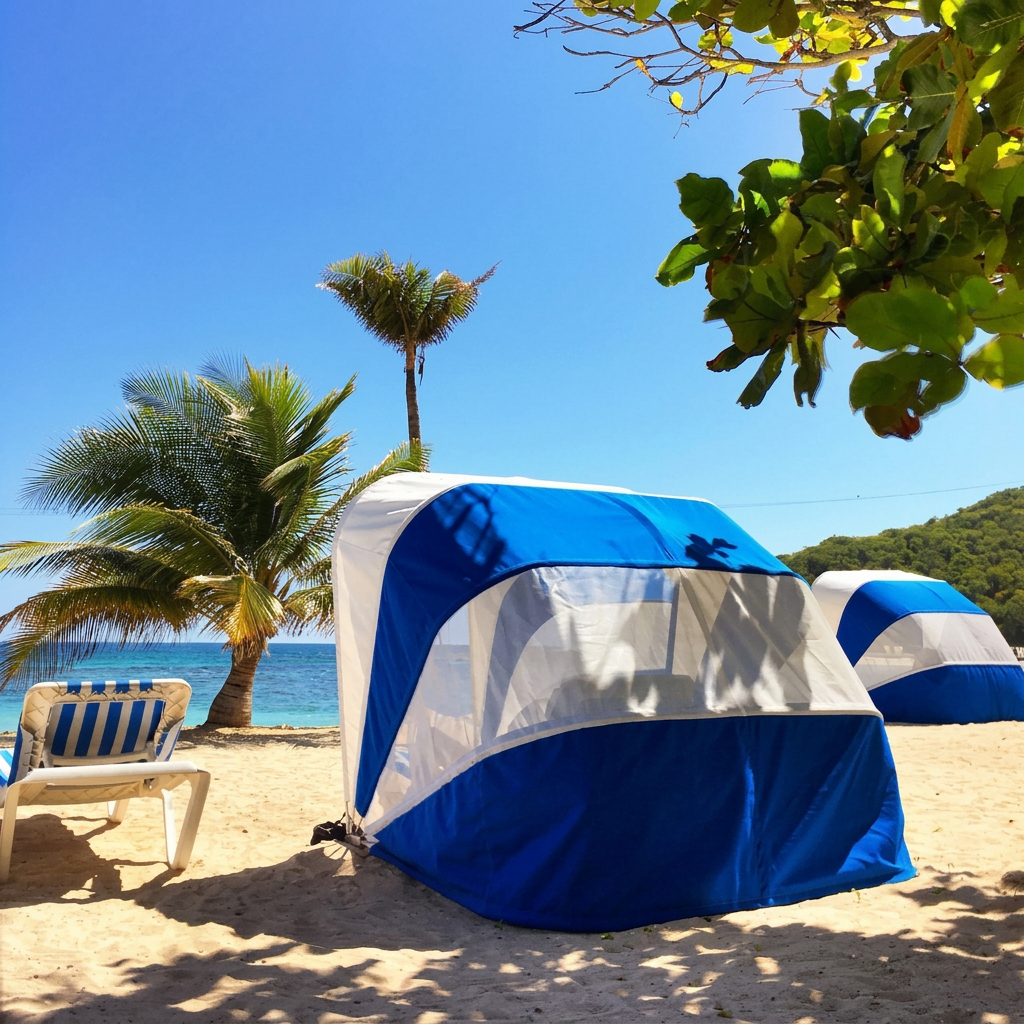
Most things are included, like the beaches, Oasis Lagoon, Splashaway Bay, and lunch. Thrill Waterpark, Hideaway Beach, and Coco Beach Club have extra fees. For example, in summer 2026 on Star of the Seas, Hideaway passes were about $56 and Coco Beach Club was around $230 per person. Prices can vary depending on demand.
Royal Beach Club Paradise Island
This is a separate, all-inclusive beach day that you can book in Nassau. It has made a port that many experienced cruisers used to skip into a highlight of the trip.
Royal Beach Club Cozumel and Perfect Day Mexico
Be cautious with this one. Cozumel is still on the schedule for December 2026, but on October 30, 2026, Mexico’s environmental agency said the project was not viable. Perfect Day Mexico has also faced delays, and reports say the waterpark was canceled. It’s best not to guarantee a date for a port that is still being built.
Royal Beach Club Lelepa
This is a new beach club in Vanuatu, designed for cruises to Australia and the South Pacific.
Booking Rules Every Agent Should Know
Final Payment Deadlines (U.S., Canada and Puerto Rico)
- 1–4 nights: 75 days before sailing
- 5–14 nights: 90 days
- 15+ nights: 120 days
There’s a new update: For Alaska, Hawaii, Transpacific, Panama Canal, and Pacific Coastal sailings that leave on or after April 11, 2028, and are booked on or after September 29, 2026, cruises of 10 nights or more now require final payment at 120 days. Be sure to update your reminder templates.
Direct-Booking Transfers
If a client booked directly, they can transfer the booking to you within 30 days of making it, as long as it’s before final payment and the booking isn’t paid in full. Bookings with Air2Sea flights or a currency change can’t be transferred. Some older blogs mention 60 days, but that’s no longer correct.
Agent-to-Agent Transfers
To move a booking between agencies, you’ll need a release letter from the current agent, and the transfer must be done before final payment.
Repricing
A lower price isn’t always the best option. Repricing can remove the previous promotion. For example, if your client loses $300 in onboard credit just to save $150, that’s not a good outcome for them.
Infants and Pregnancy
- Babies must be at least 6 months old on day one.
- On Transatlantic, Transpacific and Hawaii sailings, or any cruise with 3+ sea days in a row, babies must be 12 months old.
- Guests can’t be in their 24th week of pregnancy at any point during the cruise.
Royal Caribbean Group Cruises: Your Growth Engine
With groups, one marketing effort can fill several cabins. I’m going to take you through each one.
Small Bookings, Group Perks
Before you give a quote to a couple, check both the individual rate and your host’s group rate. Group fares often include refundable deposits and perks such as onboard credit.
Building Your Own Group
You need 8 staterooms to make a group. Groups can earn GAP (Group Amenities Plus) points for perks like onboard credit, specialty dining, or bonus commission. Many groups also get a tour conductor credit. Check your group contract for the exact rules.
Group Ideas That Fill Fast
- Family reunions
- Weddings and vow renewals
- Clubs, churches and schools
- Hobby groups, such as card collectors or theme park superfans
For example, imagine a “Theme Park Fans at Sea” cruise leaving from Port Canaveral. You could add a pre-cruise day at an Orlando park, and Brightline’s cruise service can bring guests to the pier. Just one social media post might fill a dozen cabins.
FAM Trips and Agent Perks
Agents can enjoy cruises at lower rates.
- CLIA members can get reduced rates, such as $40 for an interior cabin, $50 for an ocean view, and $75 for a balcony, per person each day. Non-CLIA members usually pay about $10 more.
- You can book friends and family rates on certain sailings, and you will still earn commission.
- Seminars at Sea: These are learning cruises you can sail as you build your knowledge.
Each ship you visit gives you stories to share with your clients. This hands-on experience is unique to you.

Common Mistakes New Royal Caribbean Agents Make
- Accepting casino comps for free is a common mistake. Club Royale offers cannot be redeemed in Espresso, and comps pay very little. They also do not count toward group totals. Consider charging a planning fee if you assist with these.
- Don’t forget about NextCruise. Clients can get up to $300 in onboard savings at the NextCruise desk. Remind them before they sail by texting: “Book it, and ask them to keep my agency on it!”
- Avoid quoting just the fare. Always show the total trip cost, including any extras.
- If you sell NRD fares, make sure to explain them. The lower deposit is not refundable. Always get your client’s choice in writing.
- Don’t rely on old policy rules. Transfer windows and payment dates can change, so always check the latest rules.
- Don’t skip offering travel protection. Always present it, and make a note if a client declines.
Royal Caribbean Travel Agent FAQs
Your Next Move
Royal Caribbean makes it easy to share a great story—think exciting ships, sunny private beaches, and families who return again and again. What sets you apart is knowing what goes on behind the scenes.
This week:
- Register on CruisingPower.
- Finish the RCU Campus Tour.
- Price five practice sailings.
- Pitch one group idea to your network.
Once you’ve done these steps, you’ll be ready to impress the next time someone asks, “Help us plan our first cruise!” Keep checking TAG for more guides to help you grow a travel business you enjoy.